Gluten-Free and Vegan Wedding Desserts: A Catering Checklist
A guest with celiac disease remembers the wedding where the only dessert was a fruit cup. They also remember the caterer who appeared at their table with a plated chocolate mousse and said, "This one is yours." Both stories get retold for years. Only one gets retold fondly.
Gluten-free and vegan desserts have a reputation problem: dry sponge, chalky frosting, the sad tray in the corner with a handwritten sign. It does not have to be that way. With a clear checklist and a few direct conversations before the deposit clears, allergy-friendly desserts can hold their own against anything else on the table.
Start With the Guest List, Not the Menu
Build one document before you look at cake designs. On the RSVP, include separate lines for gluten-free, vegan and "other allergies or dietary needs," with space to write. Then sort the answers into two columns: preference and medical necessity. A guest avoiding gluten for digestion is a different conversation from a guest with celiac disease, and a dairy allergy is not the same as lactose intolerance.
Ask the wedding party and immediate family in person, early. People are often shy about writing a need on a card, especially when they know it means extra work for someone else. A quick text in week one saves a scramble in week thirty.
For any guest with a diagnosed allergy or medical condition, share your plans with them and let them make the final call about what they eat. Your caterer's protocols are useful, but they are not medical advice, and a doctor or dietitian is the right person to answer health questions.
Questions to Ask Before You Book
Vague answers are the warning sign here. Ask these before you commit, and write down what you hear so you can repeat it to the day-of coordinator.
- Do you bake gluten-free and vegan items in a separate area, or first thing in the morning before any wheat flour is in the air?
- Which flours and binders do you use? Almond, rice, sorghum, buckwheat and certified gluten-free oats all behave differently, and vegan baking leans on flax, chia, aquafaba or chickpea.
- Do you keep dedicated pans, bowls, mixers, scoops and tongs for these desserts?
- Are fryers, ice cream scoops and cutting boards shared with wheat or dairy items?
- How will each dessert be labeled on the table, and who tells the serving staff which is which?
- Can we taste the gluten-free and vegan items specifically, not just the standard cake?
- What is your minimum order, and can these desserts be delivered and set up separately from the rest?
Cross-Contamination: The Details That Matter
Cross-contamination rarely happens on purpose. It happens because a server uses the same tongs, or because one crumb of wheat cake lands on the platter next to the gluten-free brownies. Flour dust settles. Ice cream scoops carry traces from one tub to the next. For a guest with celiac disease or a serious allergy, those small things are the ones that count.
A few rules that make a real difference:
- Keep allergy-friendly desserts on their own platter, at the end of the table or on a separate table, with their own serving utensils.
- Pre-plate desserts for guests with celiac disease or severe allergies. A buffet is the riskiest format because guests serve themselves and tools migrate.
- Cut the gluten-free cake first, or with a clean knife in a clean space, before the main cake is sliced.
- Store these desserts in sealed, labeled containers on a separate shelf, well away from the regular layer cake.
If you are not sure whether a vendor's kitchen can truly protect a guest, say so to that guest and let them decide. Many people with allergies keep a short list of bakeries they trust, and they will happily share it.
Flavors That Do Not Feel Like a Consolation Prize
The bland option is usually a baking problem, not an ingredient problem. Desserts made without wheat, eggs or butter lose structure and richness, so they need to be rebuilt rather than substituted. Add fat, acid, salt and crunch on purpose, and nobody at the table will be thinking about what is missing.
Pairings that carry their weight:
- Olive oil and citrus cake with rosemary syrup
- Coconut panna cotta with roasted mango or passion fruit
- Tahini and dark chocolate brownie bites with flaky salt
- Aquafaba chocolate mousse in small glass cups
- Poached peaches or plums with dairy-free sorbet and toasted pistachios
Notice the pattern: creaminess next to crunch, sweetness cut with acid, a pinch of salt in everything. If nuts are safe for your guest list, they are the fastest route to a dessert that tastes rich. If they are not, coconut, seeds and good dark chocolate do the same work.
Building the Table and the Serving Plan
A dessert table works best in three layers. The first is desserts that are naturally gluten-free and vegan, so nothing had to be adapted: sorbet, chocolate bark, poached fruit, coconut rice pudding, dark chocolate-dipped strawberries. The second is an adapted version of something you love, made by a baker who specializes in it. The third is one plated dessert, held back in the kitchen, for the few guests who need the highest level of care.
Label by flavor first and allergens second. "Coconut panna cotta with mango" reads like dessert. "Vegan gluten-free option" reads like a warning label, and it also tells every other guest to skip it. A small card underneath listing the ingredients is enough.
Budget, Tastings and Timing
Specialty baking takes more labor
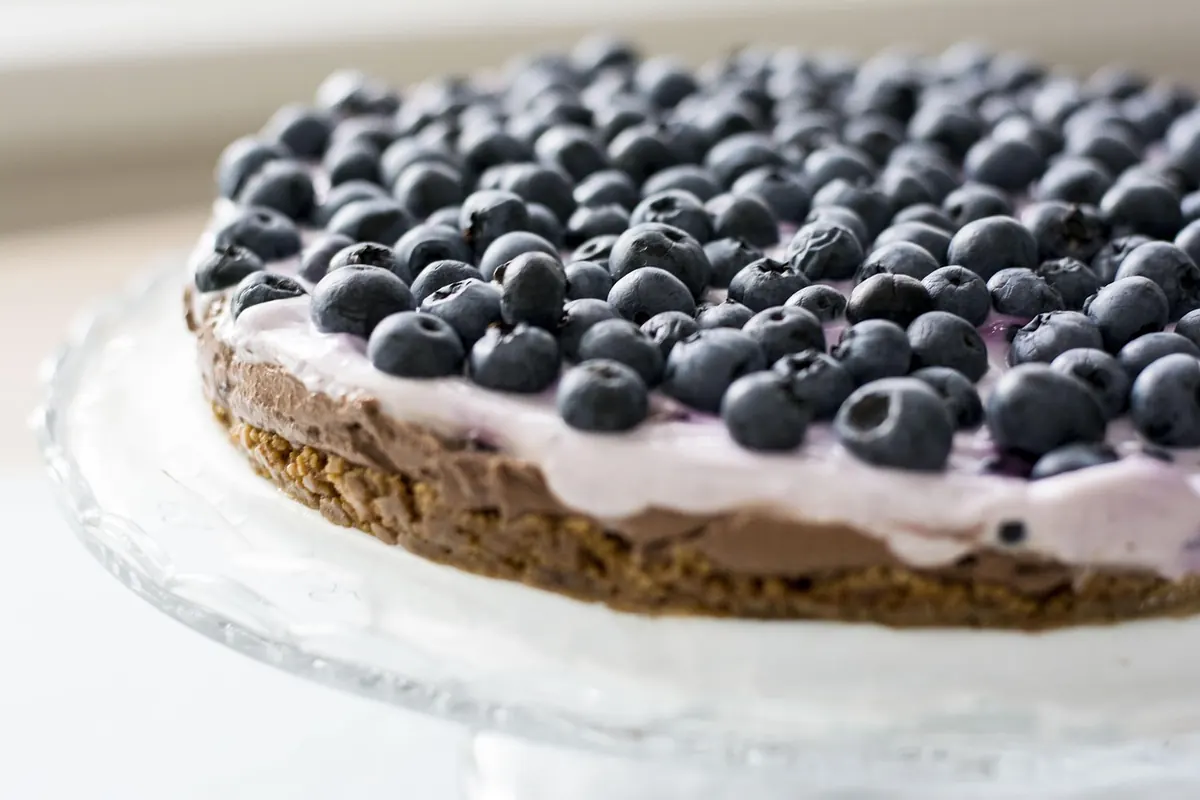
Photo: MiVargof / Pixabay