How to Calculate Dessert Quantities for Wedding Guests: Chart and Tips
The dessert table is often the last thing guests remember—and the first thing to run out if you guess wrong. Order too little, and people are scraping the last bit of frosting from the platter. Order too much, and you're sending your caterer home with three trays of brownies. The middle ground is easier to find than you might think. It comes down to a few numbers, a little math, and knowing your crowd.
Start With the Guest Count and the Role of Dessert
Before you calculate anything, answer one question: is dessert the main event or a sweet finish? If you're serving a full dinner and then a plated slice of cake, one slice per guest is the baseline. If you're offering a dessert bar alongside cake, people will sample from both. That's when portions shrink.
Time of day matters, too. An afternoon wedding with light bites tends to see more dessert eating than a late evening reception after a heavy meal and hours of dancing. Alcohol can increase cravings for something sweet, but it also keeps people on their feet and away from the table. Watch your crowd: if you have lots of children, expect them to go back for seconds of the fun, colorful items. If your guest list leans older, portions may be smaller.
The Basic Serving Size Chart for Wedding Desserts
Use these general guidelines as your starting point. Adjust up or down based on your specific menu and guests.
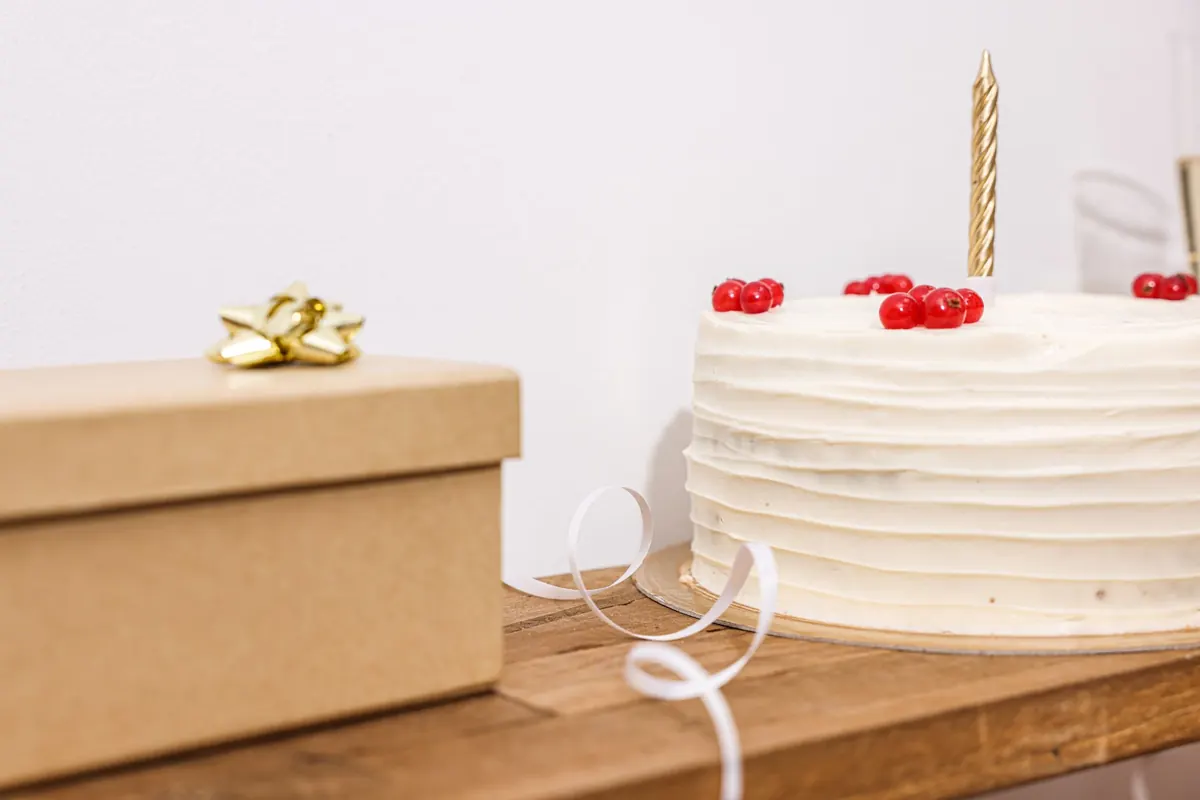
- Wedding cake: 1 slice per guest if cake is the only dessert. If you also have a dessert bar, plan on 0.5 to 0.75 slices per guest.
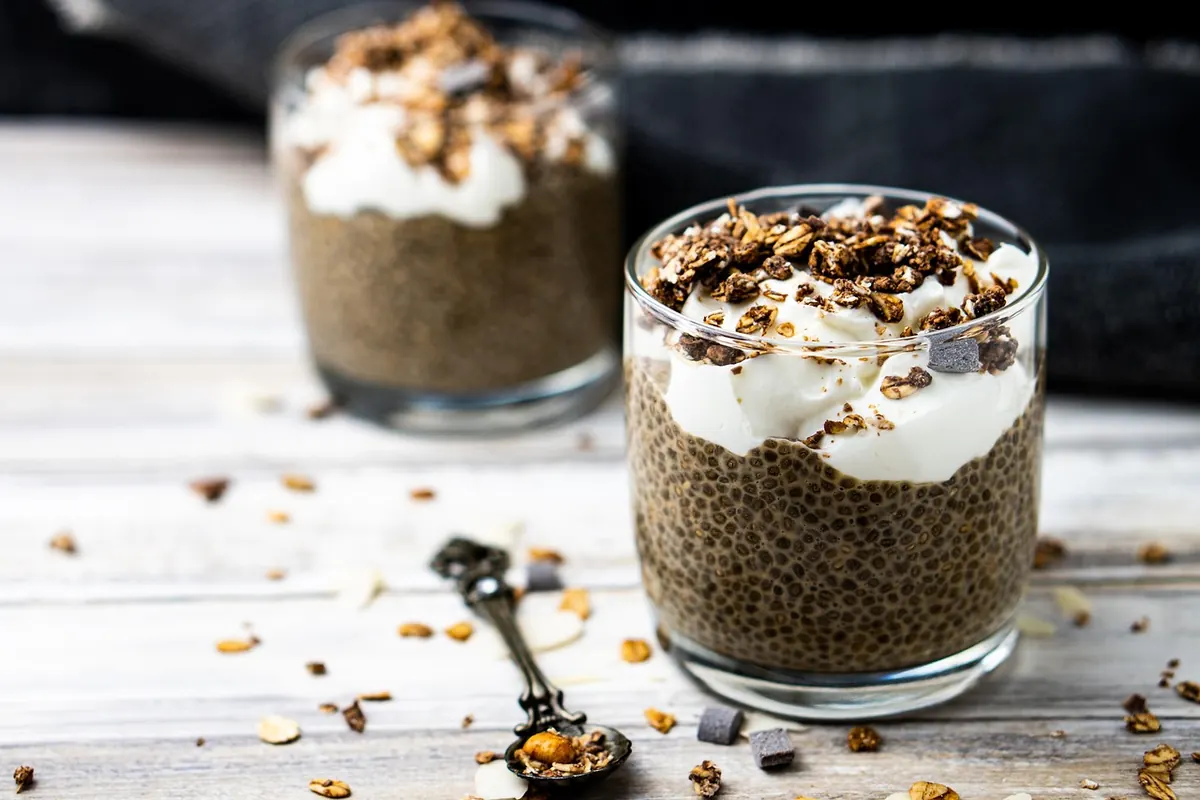
- Pudding, mousse, or custard: 4 to 6 ounces per person. A small ramekin or shooter glass usually holds about 4 ounces.
- Mini desserts (tarts, cake pops, truffles, shooters): 2 to 3 pieces per guest. If there are many flavors, people will try one of each.
- Full-size bars, brownies, or cookies: 1 to 2 per guest. A standard brownie cut into 12 pieces yields 12 servings.
- Ice cream or gelato: 1 scoop (about 1/2 cup) per guest. If it's a topping bar, add extra for seconds.
- Fruit or fruit salad: 1/2 cup per guest. On a hot day, people eat more fruit, so round up.
These numbers assume a typical adult appetite. For a crowd that includes many kids, swap some of the sophisticated desserts for simpler treats like cookies or brownies. Kids often take smaller portions but go back for more.
How to Build a Dessert Bar That Doesn't Run Out
A dessert bar is more than a pile of sweets. It's a curated experience. The goal is variety without overwhelming your guests or your budget. Three to five different desserts is a comfortable range. Fewer than three feels limited; more than five and people start to take a little of everything, which can throw off your counts.
Mix textures and flavors. A creamy pudding, a crunchy cookie, a fruity tart, and a rich chocolate bite cover most cravings. Include at least one gluten-free and one vegan option if you have guests with dietary needs. Label everything clearly—not just for allergies, but so people know what they're choosing.
Think in bites, not just slices. A guest who takes one slice of cake, one pudding cup, and two mini tarts has had four dessert items. That's normal at a bar.
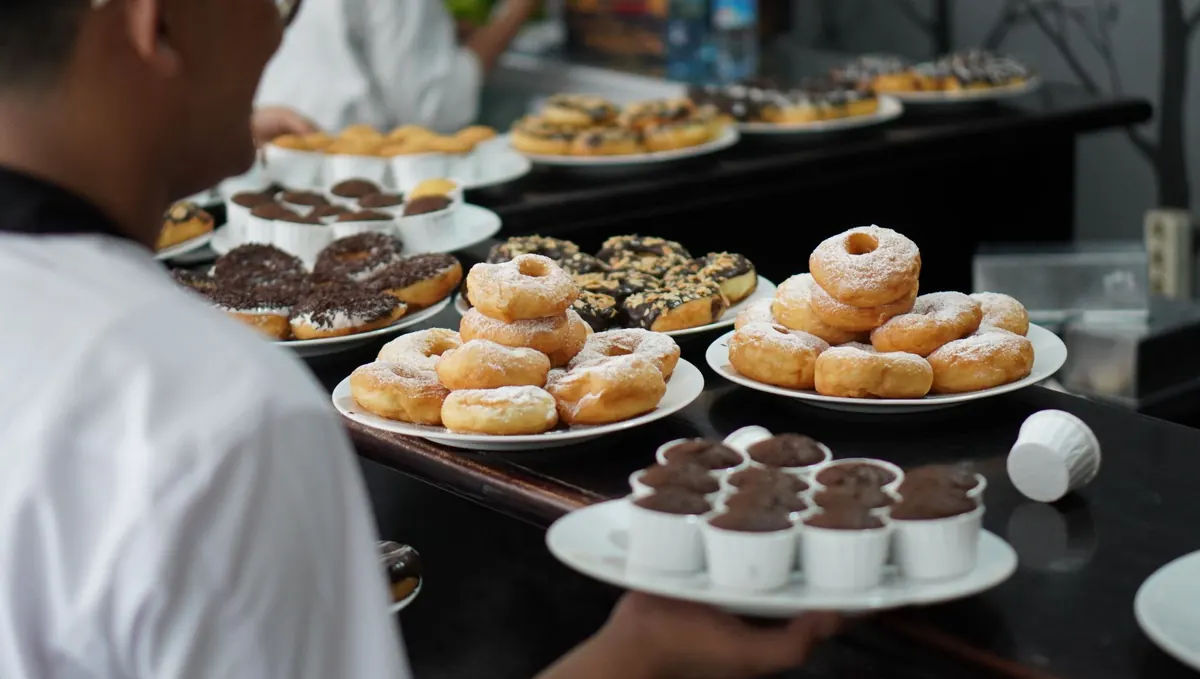
Place desserts in different spots around the room. A single long table creates a bottleneck and encourages people to take more than they need. Two smaller stations spread the crowd and slow down the rush. Ask your caterer to replenish trays rather than putting everything out at once. It looks generous and keeps the display fresh.
Adjusting for Your Crowd, Season, and Timeline
No chart can account for every variable. Here's how to tweak your numbers.
Season and weather
On a hot summer day, heavy puddings and rich buttercream can feel like too much. Lighter options—fruit, sorbet, panna cotta—tend to go faster. In cooler months, warm desserts like bread pudding or apple crisp disappear quickly. If your venue is warm, add more refreshing items and reduce the dense ones.
Timeline and late-night snacks
If dessert is served right after dinner, guests are still full. They'll eat less. If you wait an hour or two, or if you're offering a late-night snack later, people will eat more dessert. If you're planning a late-night pizza or fries, cut your dessert quantities by about 20 percent. They'll save room for the savory stuff.
Children and dietary needs
Kids gravitate toward familiar treats. If you have many children, add extra cookies, brownies, or fruit skewers and reduce the adventurous flavors. For guests with dietary restrictions, offer a separate, clearly marked tray. They'll appreciate the effort, and you'll avoid them taking a dessert they can't eat.
A Simple Formula to Put It All Together
Here's how to turn your guest count into a shopping list. Let's use 120 guests and a dessert bar with three types of sweets as an example.
- Decide servings per person. For a dessert bar, plan on 2 to 3 items per guest. If you're also serving cake, reduce that to 1.5 to 2 items. For our example, we'll use 2.5 items per guest.
- Multiply guests by servings. 120 guests × 2.5 items = 300 total dessert pieces.
- Divide by the number of dessert types. 300 pieces ÷ 3 types = 100 pieces of each dessert.
- Round up. Order 105 to 110 of each to give yourself a small buffer. If you have a very active crowd or a long reception, add another 10 percent.
If you're serving a wedding cake as well, treat the cake separately. A 120-guest wedding with a three-tier cake might yield 100 servings. Then you only need about 150 to 180 bar items total, or 50 to 60 of each type.
Questions to Ask Your Baker or Caterer
Before you sign a contract, get clear answers to these questions. They'll save you from surprises.
- How many servings does this cake actually yield? Ask for the cutting guide.
- Do you charge by the piece, by the tray, or by the person?
- Can we adjust the order as RSVPs come in, and by what date?
- What is your policy on leftovers? Can we take them home or donate them?
- Do you offer tastings, and how many people can attend?
- How do you handle gluten-free, vegan, or nut-free requests?
- What's the best way to store and serve each dessert on the day?
If you're donating leftovers, check with your caterer and local food safety guidelines first. Not all food can be donated, and rules vary by location.
A Final Sanity Check Before You Order
Run your numbers one more time. Compare them to the chart above, then trust your gut about your crowd. If you have a group of dessert lovers, add a little extra. If your friends are more savory people, you can round down. A buffer of 10 percent is usually plenty. It's better to send a few extra cookies home with guests than to watch someone scrape an empty platter. And if you're still unsure, ask your caterer for their experience with weddings like yours. They've seen how much people actually eat.
Photo: ria kochi / Pexels