Wedding Cake vs Dessert Bar: Comparing Cost, Logistics, and Guest Experience
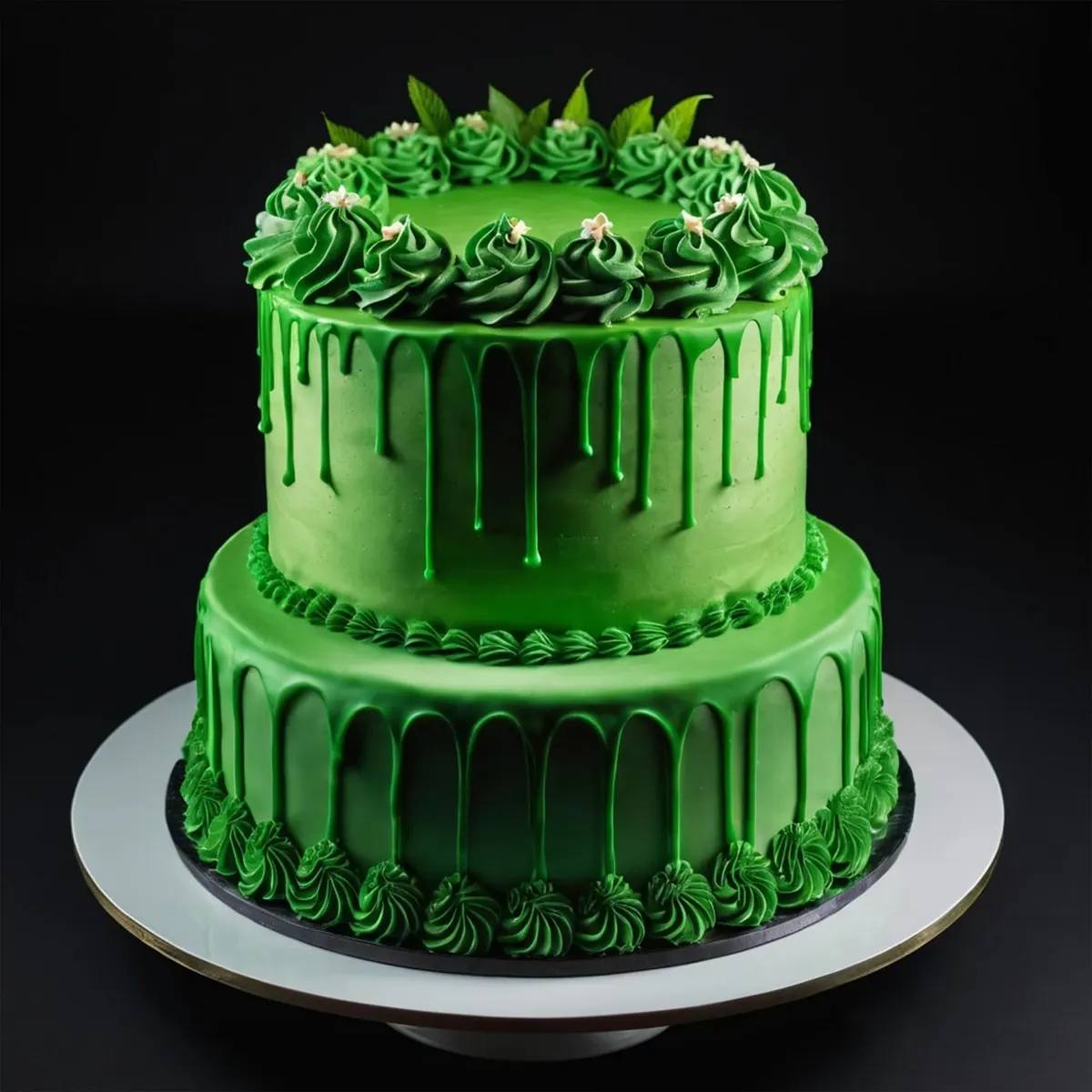
A three-tier cake under a spotlight and a long table of miniature tarts, brownies, and macarons are both desserts, but they behave very differently at a wedding. One is a single moment. The other is a slow, all-evening flow. Choosing between them usually comes down to three questions: what you'll spend, what you'll have to manage, and what your guests will actually remember. Here's how the two stack up.
What You're Really Paying For
Wedding cake is priced by the slice, and the slice count is tied to the number of tiers. A design with fondant, hand-piped detail, sugar flowers, or painted finishes adds labor on top of ingredients, and delivery plus on-site setup is often a separate line. Don't forget the cake-cutting fee many venues charge per guest — it can surprise couples who budgeted only for the baker.
A dessert bar is priced differently: per piece, per item. The catch is that variety multiplies cost. Five desserts at 120 guests is five separate orders, each with its own minimum. You also rent or buy cake stands, trays, risers, tongs, labels, and linens, and you may need coolers or refrigeration for anything with cream, mousse, or fresh fruit.
Neither option is automatically cheaper. A large cake scales in tiers; a bar scales in items. To compare honestly, ask each vendor for a fully loaded quote:
- Delivery, setup, and pickup or return of rentals
- Plates, forks, napkins, and stands
- Staffing to set up, replenish, and clear
- Venue cake-cutting fee or outside-food fee
- Tax and gratuity
Then compare totals side by side. Per-item prices mean very little on their own. Prices vary widely by region and vendor, so confirm every fee in writing before you sign, and read the contract's cancellation and guest-count-change terms carefully.
The Logistics: One Delivery or a Small Production
Cake is the simpler operation. One vendor, one delivery window, one table, one cutting plan. The main logistics are fridge space (a tiered cake needs room and a level surface), a sturdy table, and someone designated to cut and plate at the right time.
A dessert bar takes more coordination. It needs a full table — ideally six to eight feet — with room for guests to approach and space behind it for staff to move. It needs a setup time late enough that chilled items don't sweat or whipped cream doesn't slump, but early enough that guests don't see the scrambling. And someone has to watch it: refilling trays, wiping spills, restocking forks.
A short pre-wedding checklist for a dessert bar
- Confirm table size, location, and whether the venue provides linens and power.
- Decide who sets up, who replenishes during the party, and who clears at the end.
- Plan allergen labels for nuts, dairy, gluten, and eggs — small cards, clearly written.
- Place small plates and forks at the start of the table, not the end, so guests don't juggle.
- Ask your DJ or MC to announce dessert. A beautiful table nobody notices is a waste.
Guest Experience: Ceremony Versus Choice
Cake gives you a shared ritual. The cutting, the toast, the first slice, the photos — guests know what's happening and when. Everyone gets the same dessert, which is either charmingly traditional or a problem if a third of your guest list avoids gluten or doesn't like chocolate.
A dessert bar gives guests agency and keeps people moving. Aunt Maria tries the lemon bars, your college friends camp out near the brownies, and the picky eater finally finds something. It also stretches dessert across the whole evening instead of concentrating it in twenty minutes, which tends to keep the dance floor busier.
The trade-offs are real, though. A bar can create a first-wave stampede, with popular items gone before the shy guests wander over. If it isn't announced, some people assume there's no dessert at all. And bite-size items handled without utensils get messy fast, so choose desserts that hold their shape and can be picked up cleanly with a napkin.
The Hybrid: A Cutting Cake Plus a Dessert Bar
You don't have to pick a side. A common approach is a small display cake — enough for the cutting photos and a slice for each immediate family member — served alongside a dessert bar that feeds the room. Some couples keep a sheet cake in the kitchen for the ceremonial slices and let the bar do the heavy lifting.
This gives you the ritual and the variety, often for less than a full-size designed cake. It does mean two vendors and two setups, so build in a little extra coordination time and confirm the venue can accommodate both tables.
Sizing It So Nothing Runs Out
Portions are where dessert bars quietly fail. Bite-size items disappear faster than full slices because guests take two or three without thinking. As a general starting point, plan two to three pieces per guest when cake is also served, and three to four when the bar is the only dessert. If you're adding a late-night snack pass, add more still.
Ask your caterer or baker to recommend a count based on your guest list, timeline, and how rich the menu is. Over-ordering feels wasteful, but running out of dessert at 10 p.m. is the story people tell for years. Leftovers can often be boxed for the couple, the vendors, or a next-day brunch.
How to Decide
Write down what you actually want from dessert. If it's one shared moment, beautiful photos, and a single vendor to manage, book the cake. If it's variety, movement, and something for every dietary preference, the bar wins. If you want both and the budget stretches, do a small cutting cake with a tight, well-chosen bar — three to four excellent items beat ten mediocre ones every time.
Then check your venue rules, get full quotes, and confirm in writing who delivers, who sets up, and who clears. Whichever route you take, the best dessert table is the one you don't have to think about on the day.