How to Keep Wedding Puddings and Custards Food-Safe in Warm Weather
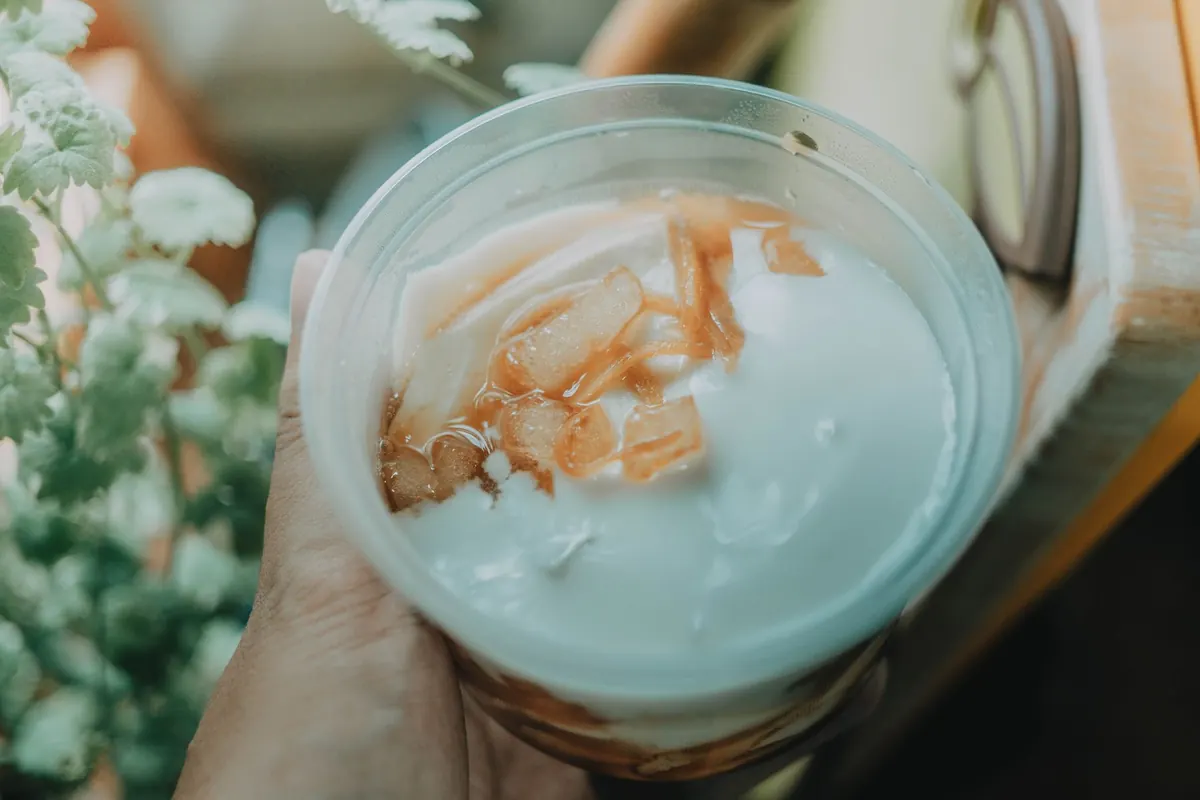
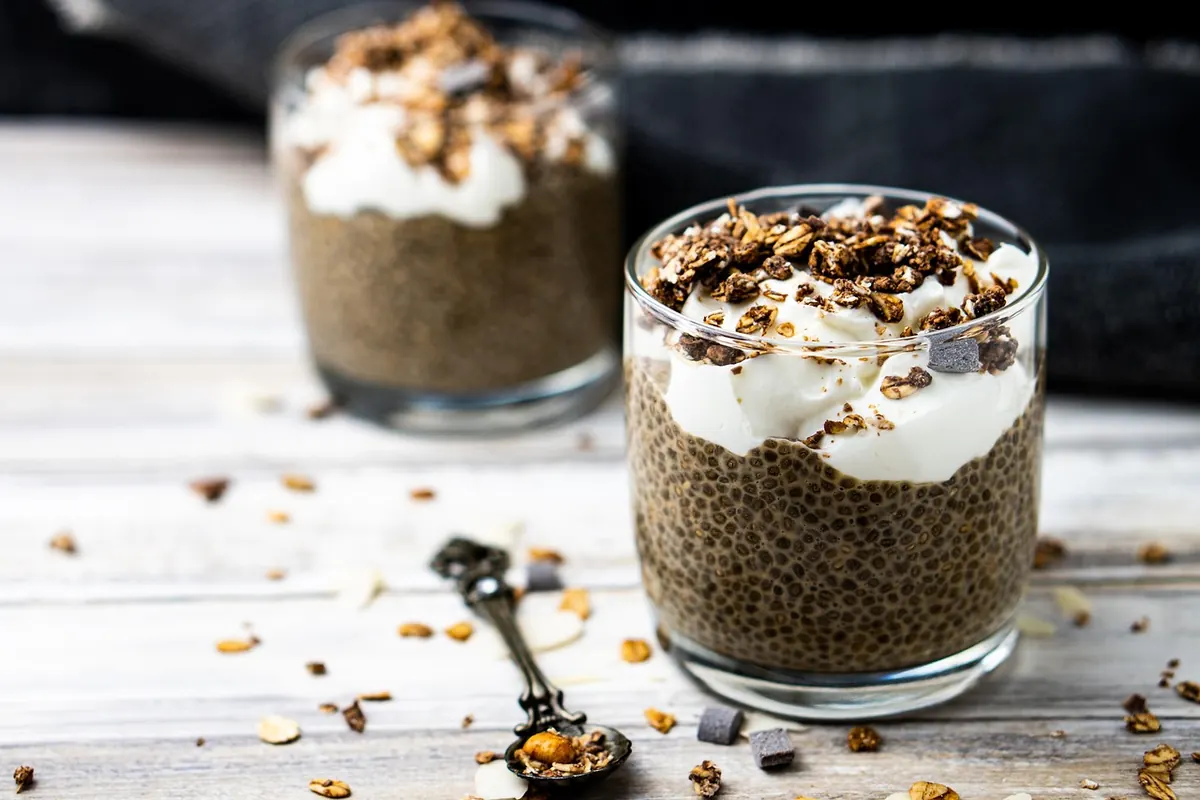
Puddings and custards are the quiet showstoppers of a summer wedding dessert table: a row of vanilla bean pots, a trifle under glass, tiny custard tarts with burnt-sugar tops. They are also the most perishable thing on the table. Egg-and-dairy desserts need to stay cold, and a hot afternoon works against you from the moment the first cooler lid comes off. None of this is hard to manage. It just has to be decided in advance rather than solved at the reception, with a ladle in one hand and a thermometer in the other.
Start With a Real Chill, Not a Hurried One
Food safety for puddings begins in the kitchen, long before anyone hangs bunting. Cook egg-thickened custards fully, until the base coats the back of a spoon and sets cleanly. An undercooked custard is a risk you don't want to carry into a warm afternoon, and no amount of ice later will undo it.
Then cool it fast. Pouring three litres of warm custard into one deep bowl and parking it in the fridge is the classic mistake — the centre stays warm for hours. Divide it into shallow trays, set them over an ice bath, stir now and then, and move them to the refrigerator once the steam is gone. Portion into serving glasses only after the base is properly cold, then chill again.
For anything served cold, the target is a refrigerator holding at or below 40°F (4°C). Give custards and set puddings at least four hours to chill, and overnight if you can. A panna cotta or posset that is still loose in the middle isn't just wobbly on the plate; it hasn't spent enough time at a safe temperature.
The Clock You're Actually Working Against
Bacteria multiply fastest between roughly 40°F and 140°F, and the standard guidance is blunt: perishable food should spend no more than two hours in that range, and no more than one hour if the air temperature is above 90°F. At a July wedding, with the dessert table in the shade of a marquee but the afternoon still thick and warm, assume you have one hour. Plan the pudding service around a short, well-managed window rather than leaving everything out for the whole evening.
That single rule shapes everything else. It means you serve late, clear early, and rely on backup trays kept cold rather than on hope.
Build a Cold Display That Genuinely Works
A pretty table and a cold table can be the same table. The trick is layering your cooling under and around the desserts, not just beside them.
- Nest and ice. Set smaller bowls or trays inside larger ones packed with ice, or run frozen gel packs under a rimmed tray. Keep the ice below the food line so nothing gets soggy.
- Use the freezer as a prop. Chilled marble slabs, frozen trays, and pre-frozen serving glasses all buy you time.
- Choose small vessels over large ones. Six little pots of chocolate custard stay colder than one enormous trifle bowl, and they look better on a table anyway.
- Lid what you can. Cloches, glass domes, and lidded jars slow the warm air down and keep curious guests from leaning over open food.
- Kill the sun. Shade, a fan moving air nearby, and height off hot paving all help. Never leave a custard in direct sunlight, even briefly.
- Add a thermometer. A cheap fridge thermometer in your cooler or on the table removes the guesswork.
Set the table out at the last reasonable moment, not while guests are still arriving, and keep the overflow in a cooler within arm's reach.
Serve Less, Replenish More
The single most useful habit for a warm-weather pudding table is the tray swap. Put out a modest amount, then replace the whole tray when it empties — rather than topping up a half-eaten dish with fresh portions from the cooler.
Never mix new dessert into a tray that has been sitting out; you're effectively resetting the clock on food that has already been warm for an hour. Once a tray has passed its time, it goes in the bin, not back in the fridge. Chill, serve, discard. It's a short loop, and it's the one that keeps people well.
Give one person the job of watching the table: clearing empty glasses, checking the ice, and swapping trays. A designated dessert keeper is worth more than any equipment.
Transport, Staging, and Venue Reality
Coolers packed with ice or gel packs, loaded last into the car, and kept in the shade on arrival will hold a proper chill for hours. Ask the venue about refrigerator space in advance — and if the answer is vague, bring your own coolers and a power source for them. A chest freezer half-full of ice and bottles of water can double as a staging cooler and a source of cold drinks later.
Build a small setup kit: clean serving spoons, tongs, spare trays, paper towels, gloves, a thermometer, and a bin bag for discards. Unpack the desserts last, once the table is shaded and iced. If you're working with a caterer or a venue, check their food-safety requirements before the day — many have their own rules about how long cold desserts may be displayed, and they're worth following.
The Small Habits That Matter More Than You'd Think
Clean hands and clean utensils do a lot of quiet work. Keep one serving spoon per dish rather than a single spoon travelling from trifle to custard pot, and don't let a used spoon go back into a serving dish. Garnishes — whipped cream, fresh berries, mint, toasted nuts — go on at the last minute, and anything that has touched a guest's plate stays there.
Label what's in each dish. Dairy, egg, gluten, and nuts are the ones guests ask about most, and a small card beside each pudding saves a dozen conversations. Keep cold cream and cut fruit in a cooler, not on the table, and if a dish looks warm, smells odd, or has been sitting in the sun, trust that instinct and pull it.
A Short Checklist for the Day
- Chill everything fully the night before — cold, not just cool.
- Pack coolers with ice and a thermometer; load them last.
- Set up shade and ice before the desserts come out.
- Display small portions, in small vessels, under lids.
- Swap trays instead of topping them up.
- Discard anything past its window, without debate.
- Keep one person in charge of the table.
Do those seven things and a summer pudding table stops being the risky corner of the party. Your custards arrive cold, stay cold, look lovely for the hour that matters, and go back to the cooler without anyone thinking about it. That's the whole goal: dessert that feels generous and effortless, with the safety work tucked quietly underneath. For anything involving a catered event, a venue contract, or guests with particular health concerns, it's sensible to confirm the specifics with the venue and your local health authority.
Photo: FOX ^.ᆽ.^= ∫ / Pexels